Digital marketing is changing faster than ever. New technologies, smarter consumers, and evolving online platforms are reshaping how brands connect with their audience. In 2026, marketing is not just about selling—it’s about creating meaningful, personalized, and trustworthy experiences.
To stay competitive, businesses must understand and adapt to the latest digital marketing trends. Here are the key trends you simply can’t ignore in 2026.
Artificial Intelligence Becomes a Daily Marketing Tool
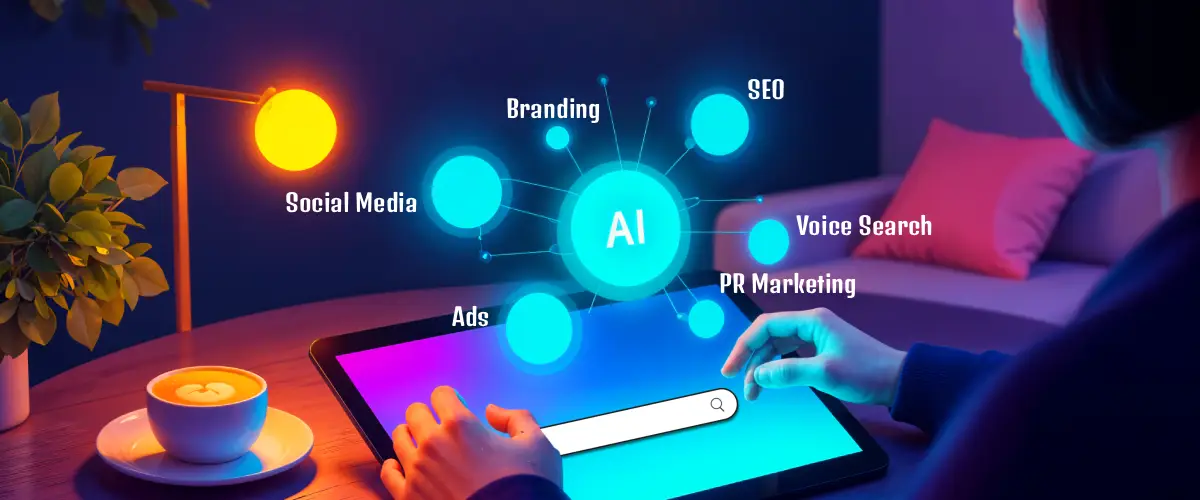
AI is now a regular part of digital marketing. In 2026, brands are using AI to save time, understand customers better, and improve performance.
AI helps marketers with:
- Content creation and optimization
- Smart ad targeting
- Chatbots for instant customer support
- Data analysis and performance tracking
Brands that use AI wisely can work faster and make better decisions.
Personalization Is No Longer Optional
Customers expect brands to understand their needs. Generic messages no longer work.
In 2026, successful brands focus on personalized experiences such as:
- Customized emails
- Product recommendations
- Relevant ads
- Personalized website content
Personalization builds trust, improves engagement, and increases conversions.
Short-Form Video Continues to Lead
Short videos are still dominating digital platforms. Content that is quick, engaging, and easy to consume performs best.
Brands are using short-form videos for:
- Product highlights
- Educational tips
- Brand stories
- Behind-the-scenes content
Platforms like Instagram Reels, YouTube Shorts, and TikTok remain powerful tools for visibility.
Voice Search and Conversational Content Grow
More people are using voice search through mobile devices and smart assistants.
To stay visible, brands are focusing on:
- Simple, conversational language
- Question-based content
- Voice-friendly SEO
Along with voice search, chatbots and messaging apps are helping brands communicate in real time.
Influencer Marketing Focuses on Trust
Influencer marketing is becoming more authentic. Instead of celebrity promotions, brands prefer influencers with smaller but loyal audiences.
In 2026, influencer marketing is:
- More honest and relatable
- Based on long-term partnerships
- Focused on real experiences
Trust matters more than follower count.
Privacy and First-Party Data Take Priority
With stricter data privacy rules, brands must be transparent about how they collect and use customer data.
Marketers are now focusing on:
- First-party data
- Permission-based marketing
- Ethical data practices
Respecting customer privacy helps build long-term trust.
SEO Becomes Experience-Focused
SEO in 2026 is not just about keywords. Search engines now reward content that is helpful, reliable, and user-friendly.
Modern SEO focuses on:
- High-quality content
- User experience
- Search intent
- Authority and trust
Good SEO helps brands stay visible and credible online.
Omnichannel Marketing Creates Better Customer Experience
Customers interact with brands on multiple platforms. A smooth and consistent experience across all channels is essential.
Omnichannel marketing ensures:
- Clear brand messaging
- Better customer engagement
- Stronger brand identity
Consistency across platforms builds confidence and loyalty.
Conclusion
Digital marketing in 2026 is all about smart technology, personalization, trust, and meaningful communication. Brands that adapt to these trends will build stronger relationships and achieve long-term growth.
Staying updated, flexible, and customer-focused is the key to success in the digital world.